
Let's be honest. You've thought about it.
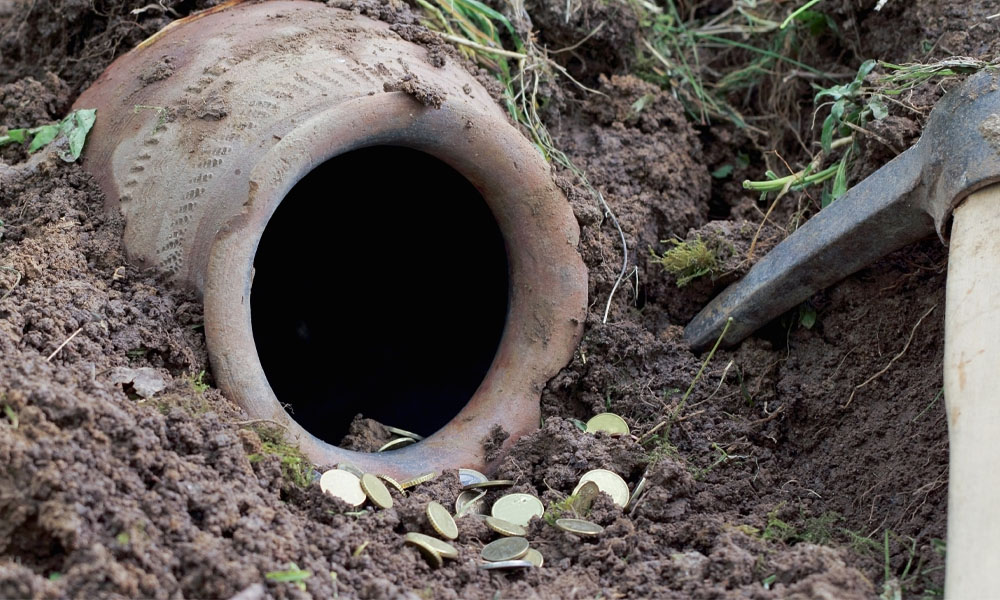
Maybe it was after watching a pirate movie, or hearing about Forrest Fenn's treasure. Millions in gold and jewels hidden somewhere in the Rockies that people obsessed over for more than a decade. Maybe it was reading about some guy who found a mason jar full of gold coins in his yard. Either way, the idea has crossed your mind.
Burying treasure isn't just some relic from the past. It's a real thing people do. And if you're serious about it, this isn't a fantasy. It's about handling your business.
Here’s some things to consider.

The Appeal Is Real
There's something primal about burying wealth where only you know it exists. No bank ledger. No third-party custody. No counterparty risk. It's yours, hidden, waiting for the day you need it.
For some people, it's about privacy. For others, it's insurance against chaos. Economic collapse, government overreach, or just a world that feels increasingly unstable. When the system fails, what you can hold is what you own.
And let's be real. There's a certain satisfaction in knowing you've got a fallback plan that doesn't depend on anyone else.
So yeah, people bury gold. I know people who've buried six figures in gold coins using nothing but thick PVC pipe and some careful planning. It can work when done properly. But only if you do it right.
How to Actually Do This
If you're going to bury precious metals, treat it like the serious financial decision it is. This isn't about digging a random hole and hoping for the best. You need a plan.
1. Use Thick PVC Pipe
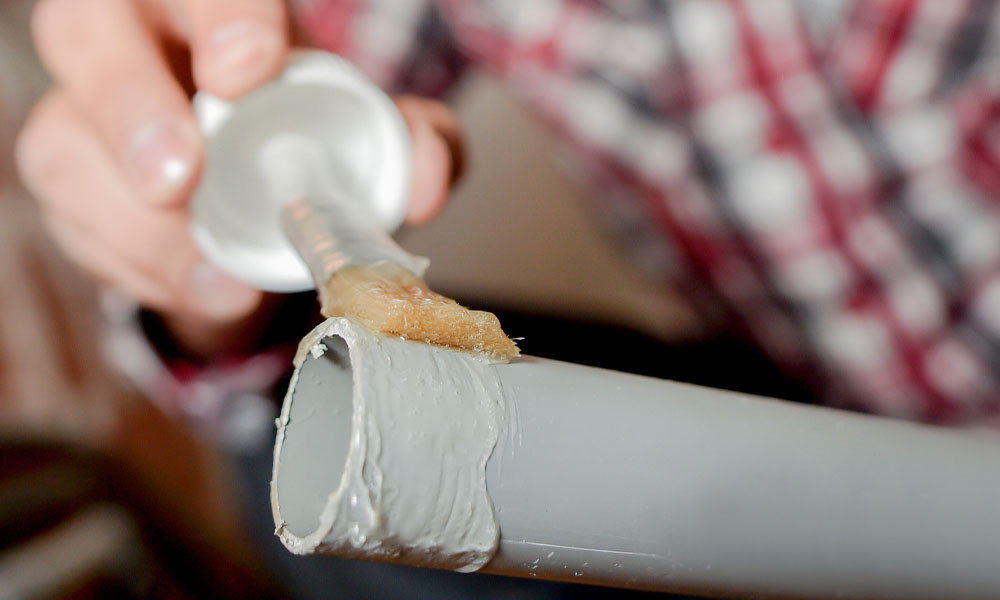
This is the container of choice for a reason. It's durable, waterproof when sealed properly, and gold coins fit the shape naturally. Krugerrands, Eagles, Maples. They stack perfectly inside a pipe. No wasted space, no complicated packing.
Seal the heck out of it. Both ends. Err on the side of way overdoing it. You can't be too careful. The last thing you want is to dig up your retirement and find a pipe full of mud.
2. Go 3 to 4 Feet Deep
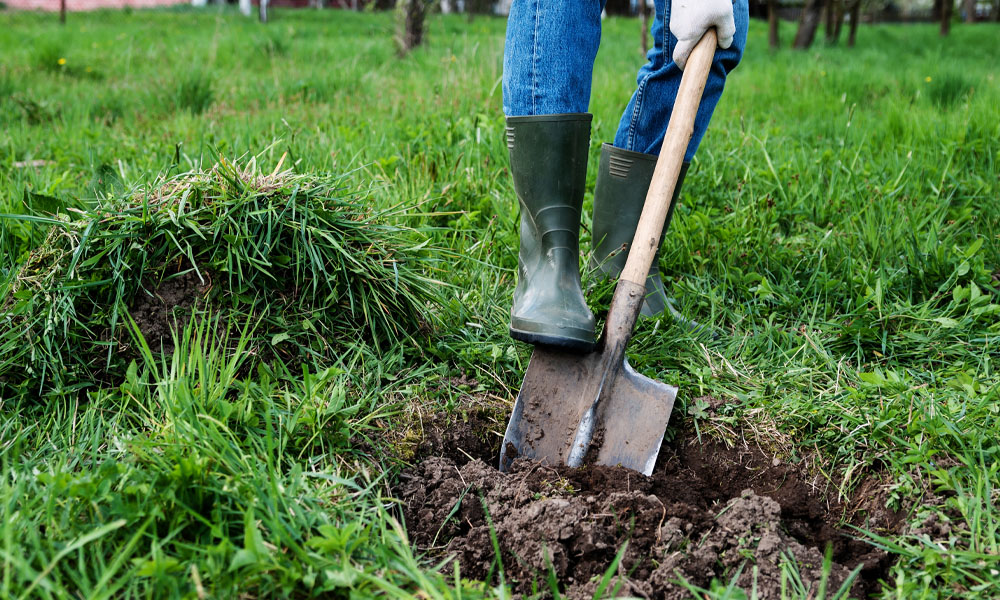
Three to four feet will deter most hobbyist metal detectors, which is the realistic concern for most people. Advanced scanning equipment exists, but if someone is deploying that level of technology on your property, depth is probably the least of your concerns.
3. Pick Permanent Landmarks and Step It Off
This is critical. Don't use trees. They get cut down. Don't use fences. They move. Use permanent landmarks. Property corners. The foundation of your house. Survey markers. Something that isn't going anywhere.
Then step it off. Count your paces from at least two different landmarks and write it down. Triangulate your position so you can always find it again, even years later. Don't trust your memory. Memory fades. Landmarks don't.
4. Tell Trusted Loved Ones
If you get hit by a bus tomorrow and nobody knows about your buried stash, that wealth stays underground forever. Maybe a future homeowner digs it up in 2050. Maybe it sits there until the sun explodes.
Either way, it's not helping your family.
Have a plan. A sealed letter in your safe. A trusted family member with coordinates. Something. Because burying treasure without a succession plan is just hiding money from yourself and everyone you care about.
The Part Nobody Talks About
Here's what doesn't make it into the pirate movies or prepper fantasies.
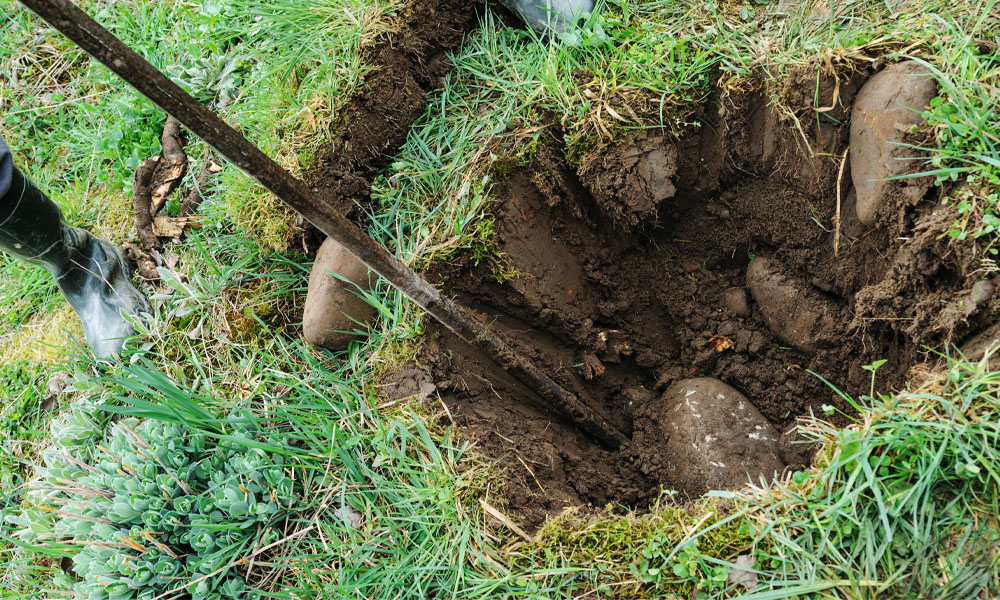
You forget the exact spot. You were so sure you'd remember, but fifteen years later the yard looks different and your memory isn't what it was.
You sell the house. Life changes. You move. And suddenly your emergency stash is under someone else's swing set.
You mention it to the wrong person. Maybe after a few drinks. Maybe to someone you thought you could trust. Word travels.
A contractor starts digging for a new septic line and hits something that wasn't on the property survey.
Or you start digging without thinking and run into buried utilities, cables, or irrigation lines that were never obvious from the surface.
Landscaping reshapes the terrain. That tree you used as a landmark gets removed. The shed gets torn down. Suddenly your triangulation points don't exist anymore.
Or worst of all, you pass unexpectedly and nobody knows. Your family grieves, sells the property, and walks away from a fortune they never knew existed.
Buried wealth without a plan becomes lost wealth. Every property, soil condition, and personal situation is different, so anyone choosing to store metals privately is responsible for evaluating those risks carefully.
This isn't about being paranoid. It's about being honest. If you're going to do this, you need more than just a good hiding spot. You need documentation. You need backup plans. You need to think beyond yourself.
Preparedness isn't just secrecy. It's making sure that when the time comes, you or the people you care about can actually access what you've buried.
If You Want Accessible Security
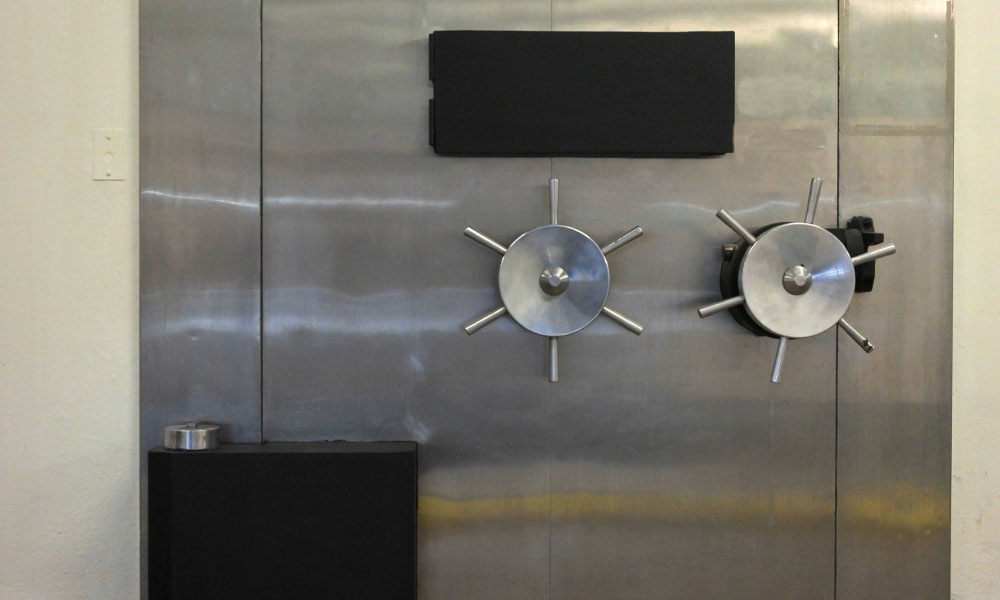
Not everyone wants to commit to full burial mode. If you need security you can access daily without grabbing a shovel, look for a reputable safe dealer and invest in a substantial unit. Choose a model with real weight and bolt it to a concrete slab indoors.
Place it in a discreet location within the home. Prioritize real fire ratings and quality locking mechanisms. Avoid lightweight units that only look secure but lack serious protection.
But this is an article about burying gold so back to the good stuff.

What to Bury
If you're doing this, you want something worth the effort. Gold coins are the obvious choice. Krugerrands, Eagles, Buffalos. They're recognizable, liquid, and stack perfectly in a pipe.
Why coins and not bars? The coins are round. The tube is round. It's like someone planned this, and our friend Kenny said it best. That's gold, Jerry. Gold!
Silver works too if you're willing to bury more weight. Ten-ounce bars are compact, stackable, and easy to move if you ever need to dig them up and relocate.
Whatever you bury, make sure it's sealed properly and worth the hassle. This isn't for your junk silver or random one-off pieces. This is for the portion of your stack you're okay not touching for years. The true emergency reserve.
Final Thoughts
Should you really bury gold in your backyard?
If you're serious about having wealth that's completely off the grid, insulated from banks and governments and third-party control, then yeah. People do it, and it can work when done properly. Just handle your business like a professional.
That said, this approach isn’t for everyone. It requires planning, discretion, and a clear understanding of the risks involved.
Use thick PVC pipe. Seal it properly. Go deep enough to deter casual detection. Map it against permanent landmarks. Tell someone you trust.
And if you're going to do it, do it with metal that's actually worth burying.
Because when everything else falls apart, the guy with gold in the ground isn't panicking.
He's just walking outside with a shovel.